
I was poking around an old collection of NPR Ed Blogs that I found interesting and came across this article on Language cognition. To read the full reporting click here.
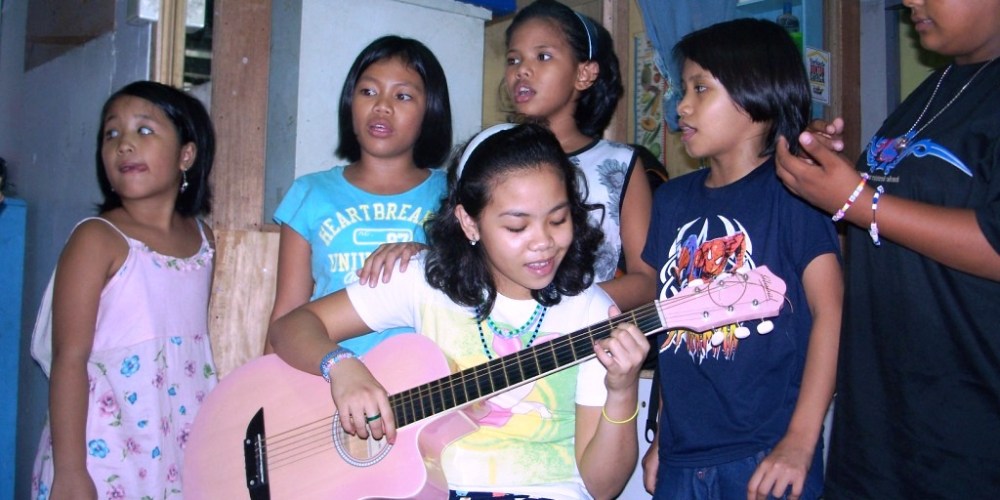
In the report, Cory Turner explores the work of the Harmony Project, an organization that works with low-income schools in the Los Angeles area to provide music education to the community’s children.
Very few people would deny the value of adding music instruction to a person’s day. For years, people have linked music instruction to all sorts of brain goodies: math skills, test scores, attendance rates, you name it. This one struck me as particularly important, though. Nina Kraus at Northwestern University studied participants in the Harmony Project to analyze their brain activity. In the study, she identifies that students from low-income communities often hear fewer words by the age of 5 than their wealthier peers. As a result, some kids enter into school unable to differentiate between language and other noise as clearly as their classmates, making it more difficult to understand instruction and communicate.
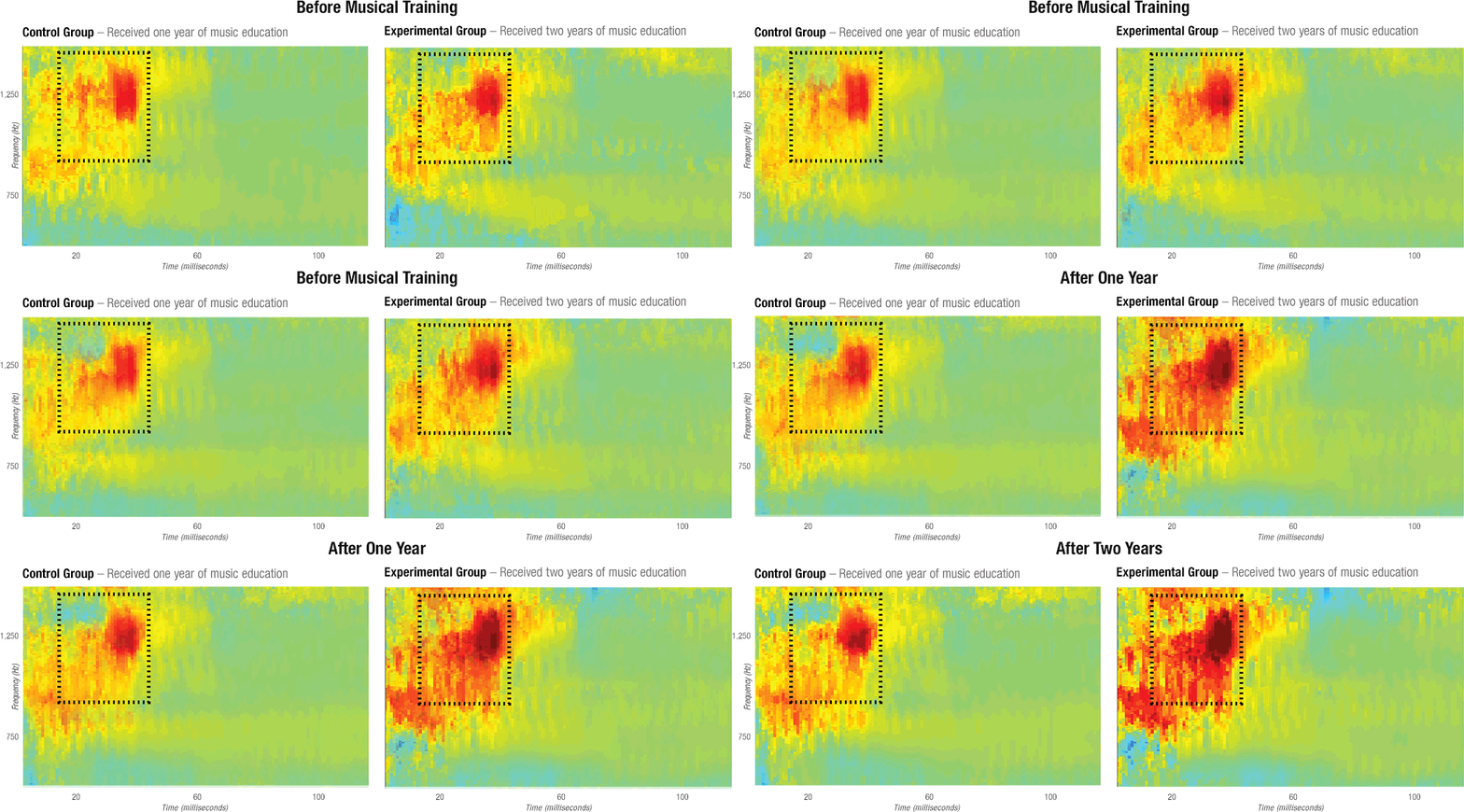
Kraus found that students in music classes provided by the Harmony Project were closing this gap. Kids who make music develop the ability to categorize pitch, timbre, and timing. While these skills are important to good music performance, they are crucial to understanding speech sounds as well. Kraus found that, as students developed musically, they also learned to block out “neural noise” that hindered their ability to learn and communicate.
Credit: LA Johnson and Alyson Hurt/NPR
This neural noise is the equivalent of hearing static or white noise…all the time. This has to be incredibly distracting and would certainly explain why some kids are harder to reach. Kids with active parents hear and participate in speech sounds, singing sounds, and experimenting with their voices, which leads to an acute ability to identify and block out neural noise in early childhood. To ensure that all students develop this skill, every kid needs the benefit of this seemingly “silly” playtime. Where better to do that than in a music class?
The more I read about kids who are “behavior problems,” the more I believe they need access to joy and beauty far more than they need rules and structure (although the latter are important too). I’m glad to see that this belief is supported by real brain science that proves it will help them develop cognitively as well as personally. Let’s spend less time trying to subjugate kids into quiet compliance, and more time encouraging them to make a joyful noise!
 THINK Texas