A recent report by the American Academy of Pediatrics renews the call for a closer look at school start times. This is not the first time that medical experts have called into question the hours of the school day, with an earlier study by the American Medical Association and The American Academy of Sleep Medicine in 2010, and other studies going as far back as 1994. An increasing majority of medical experts seem to find a compelling body of evidence that supports the need for later start times in High Schools and Middle Schools, and yet at least 43% of American public High Schools start classes before 8:00 AM. The question is, why would America’s educators ignore the advice of America’s doctors in doing what is the best medical health of America’s children?
The studies list a litany of ills caused by “chronic sleep restriction”–sleeping less than the recommended 8.5 to 9.5 per night. Among them are decreased mental acuity, impairments in executive function (functional memory, organizational skills, and time management), and low-levels of motivation. Additionally, there is a higher occurrence of significant medical disorders, including depression, anxiety, heart disease, and diabetes, among the 87% of high school students who reported sleeping 7.5 hours a night on average. Adolescents who don’t get enough sleep are more likely to be in a car accident, use prescription stimulants, and skip school. The list goes on and on, but the point is evident: teens need more sleep.
It’s not like the point really needed to be made in the first place, actually. Anyone who has spent longer than 30 minutes with a teenager in the morning knows that they are listless, have trouble communicating and processing information, and are generally just a pain to be around. Still, isn’t it nice to know that there is a medical reason for it?
The answer seems simple: make teenagers sleep more. The problem is that those pesky hormones that are transporting them from childhood to adulthood are doing a lot more than making them bigger and smelly. Biologically, our bodies get sleepy because of an increase in melatonin production. Melatonin is released through a variety of factors: including our response to ambient light, something called “sleep-wake homeostasis,” which is essentially our body’s response to being awake for long periods of time, and hormonal factors. The hormone surge in adolescents causes teenagers to biologically push melatonin-release until later at night; the study suggests between 11:00 PM and midnight. So your kids’ pesky desire to stay up in to the wee small hours of the morning isn’t just petulance: it’s also science.
The study does include a variety of other factors contributing to decreased sleep in teens, including increased light-exposure from electronic screens (phone screens, TVs, and computers). However, the single-greatest contributing factor faulted by the AAP is early school-start times in public schools. Remember, teenagers are biologically predisposed to stay awake until 11:00 or 12:00. Keeping that in mind, consider the fact that only 15% of American High Schools in the study start school after 8:30 AM and 40% start before 8:00 in the morning. Why would our nation’s education systems overwhelmingly ignore this advice?
Money, of course.
The Top Five biggest expenses in education*
- Teachers-52%
- Building Maintenance- 9%
- Food Services- 7%
- School Administration- 6%
- Transportation- 3%
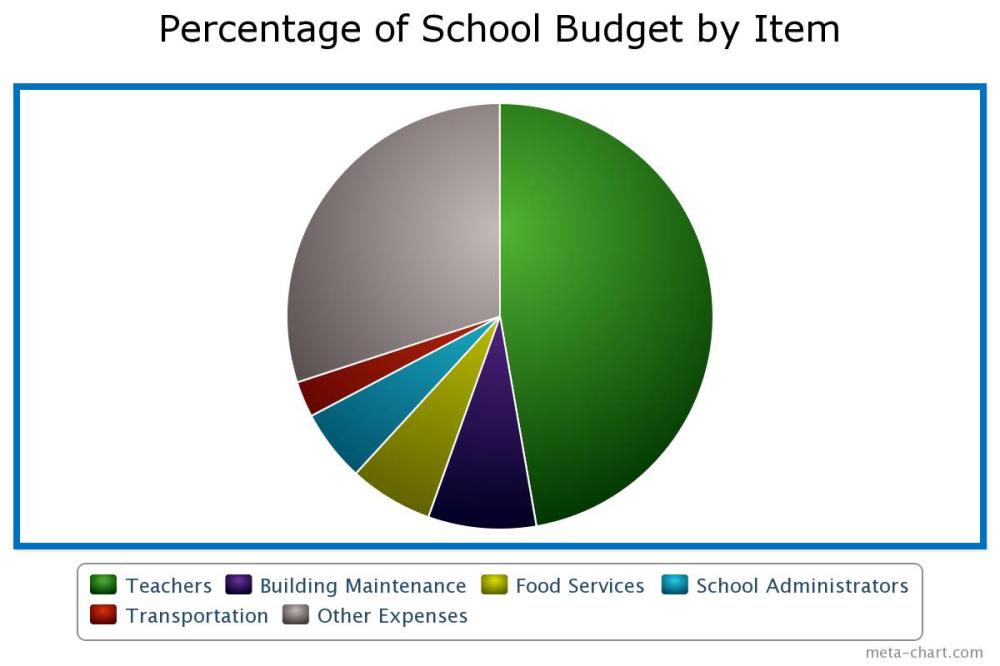
* Data is from representative school district from surveyed Texas ISDs
In a survey from school districts around the state of Texas, student transportation accounts for 2.5% of the entire school budget for a school year. That might not seem like a lot, but it can range from 4.9 to 36 million dollars annually. Considering the fact that 10% of this amount pays for fuel, the likelihood that that this amount will decrease in the near future is pretty slim. In fact, in the most recent study released by the Texas School Performance Review, increases in fuel costs for student transportation across the state has increased by 50% annually since 2001.
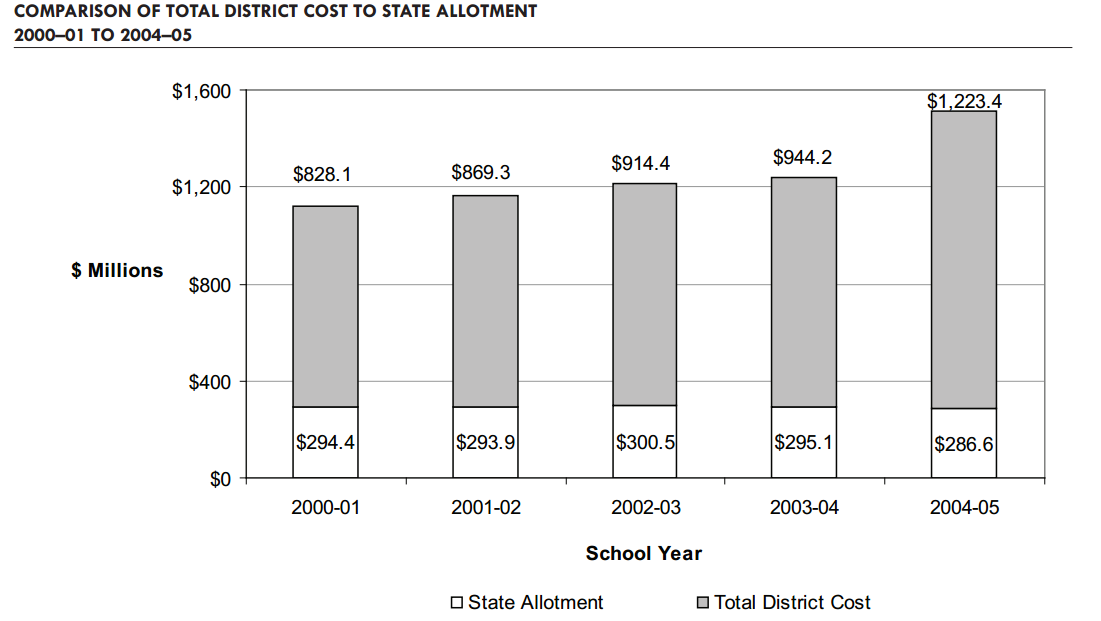
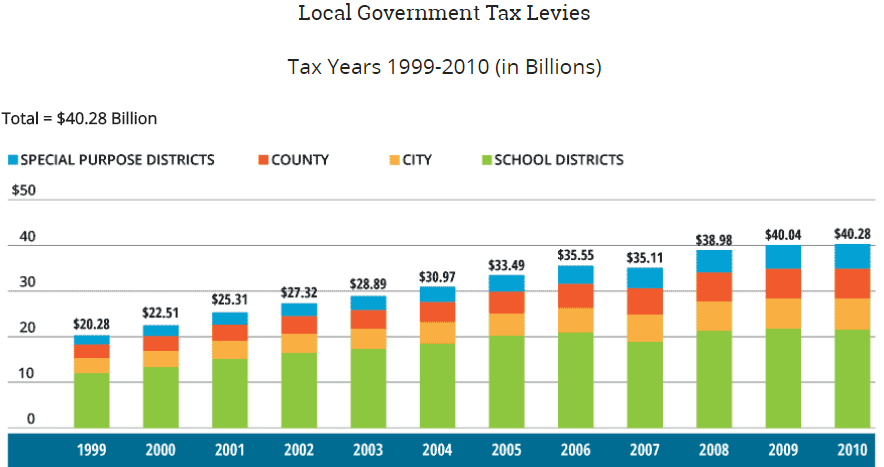
Not to beleaguer the point on school finance–that can wait for another day–but these increases in costs have fallen entirely on the individual school districts to fund. Schools are funded from three main sources: federal funding, state funding, and property tax assessments. Federal funding is earmarked for specific expenditures which do not include transportation. The buses kids ride to school, the gas that fuels them, and the staff that support them are entirely paid for by the state and local districts. Sadly, as the cost of transportation has increased as much as 22% in recent years, the State of Texas still sees fit to calculate transportation using “linear density” groupings that have not changed since 1984. Stagnant state funding for transportation–among other areas–has left individual school districts holding the bag. And while you may think that your rising property taxes could easily fit the bill, the organization FAST Texas suggests otherwise. The last time there has been a measurable increase in property-tax allocation toward education was 2004. Since then, overall property tax assessments have risen 23%. But that money isn’t going to schools.
It comes as so surprise that money is tight in education. And there is nothing glamorous about school buses, but they are a sizable and necessary expense with districts organized as they are in Texas. Any student who lives more than two miles from their school round trip has to be provided a bus ride, whether they use it or not. So with funding short and expenses high, districts have looked for ways to maximize efficiency in school transportation. Their solution, which seems like a noble one, is to run a minimum number of buses for a maximum number of hours in the day. As such, you have to have different schools starting and ending at different times so the bus-driver can drop Billy off at School-A in time to pick up Yoselin on her street and drop her off at School-B. This means that there needs to be an average of three different school start times a day.
So who gets the early shift? The traditional thinking is that, in a three hour busing cycle, the earliest run must occur between 6:45 and 7:15 in the morning. Waiting at a bus-stop at 6:45 means sitting in the dark. And no school board in its right mind wants to have a second grader sitting at a bus-stop in the dark. So who gets the short-straw? The big strong high schooler. Seemingly, with after-school football practice and musical rehearsals, it is a good idea to start High School earlier so after-school activities can be done by 6:00. That way teachers aren’t having to work late at night. So it’s safer for the little kids, it’s convenient for the teachers, and it’s economical for the under-funded district.
One problem…
It’s scientifically unhealthy for the students.
1 in 5 high school students admits to falling asleep in class daily.
The question then is, who is our ultimate priority: our pocketbooks or our children? There are plenty of good reasons to keep the school day the way it is. And we’ve been doing things this way for quite some time, so if it ain’t broke, don’t fix it, right? Except for the fact that it is broken. These groggy, grumpy, unresponsive, forgetful teenagers that we keep complaining about might just be unhealthy, lethargic, and sleep-deprived. Perhaps if they were able to sleep in long enough to get a healthy night’s sleep, high school students would show up more readily to school and be stronger learners once they got there. 1 in 5 high school students admits to falling asleep in class daily. An even higher ratio admits to falling asleep doing homework at night. These kids need rest! Doctors have spent two decades giving us a major solution to poor performance, low-test scores, and high drop-out rates: let them sleep. If they can’t go to bed earlier, we should let them wake up later. It’s the only humane thing to do.
But how do we do it?
There is a budgetary reality here. And I am not an expert on school-finance (don’t worry, I’m working on it). But I have a few thoughts.
The easiest solution is to get more buses on the road. Of course, it’s also the most expensive. This would require that either the state update its funding algorithm to the 21st century or local governments put a higher percentage of property-tax assessments toward school funding. Either one of them probably should be the solution to this problem. If schools had adequate funding, a lot of problems could be solved, and this would be one of them.
More buses=fewer start times
Even if there was a reduction to 2 bus routes per day it would allow for the first bell of the day to ring at 8:30 at one school and 9:15 at the next. Younger kids could take the earlier time and give the older kids, who stay up later, the chance to sleep in. Yes, then after-school activities would extend later into the evening, but teenagers are up later anyway, so we might as well occupy their time wisely. Would teachers be thrilled with this change? Probably not all of them, but we are a scrappy bunch, we’ll adjust.
Is there an App for that?
Uber and Lyft have completely revolutionized the way people move around metropolitan areas. The democratization of public transit has made it possible to do just what school buses have been doing for several decades: ensure there are riders in a vehicle as often as possible. Soon enough, driverless cars will make it possible for a vehicle to drop off a passenger and pick a new one up instantly, reducing traffic and the need for parking. Ride-share and public transportation initiatives have been slow to gain popularity in our state, but you see more people using a more efficient transportation model than in the past. And yet, we use a school-transportation model that has existed at least as long as my parents were riding to school. Could we find a way to use GPS technology to more efficiently get kids to school? Could there be a ride-sharing program between parents that would reduce the need for school-bus transportation? Perhaps a simple expansion of the existing bus-pass program would reduce costs school-specific transportation. School buses are inefficient in a number of ways, perhaps it’s time to do away with them. If we don’t have buses, we don’t have to worry about transportation dictating when kids go to school. Problem solved.
Smaller Schools
Texas education code mandates that students receive transportation to and from school if they live more than two miles from the campus. So why don’t we reduce school sizes so that schools only educate a geographic area of two miles? This is perhaps the most radical proposal to solve this seemingly minor issue, but it would certainly eliminate the problem. If schools didn’t have to spend money on transportation, there would be 3% of their budget free to spend on more useful allocations. There is no shortage of research suggesting that smaller schools are better for kids, which will get more attention here at a later date. This is perhaps best integrated at the High School level-where schools are the largest and the most inefficient. Additionally, school transportation is most wasted on older students; many of whom drive themselves to school anyway. So school buses run half-empty to and from high schools, and yet they dictate when they start. If you increased the number of high schools in a district, but decreased their size, you might be able to eliminate transportation costs altogether–at least in population-dense areas where costs are the greatest. Then schools can start whenever they want. Students can drive, carpool or ride their bikes and walk to school well-rested, on time, and ready to learn!
Or I guess we could just have mandatory nap time on the bus…
 THINK Texas